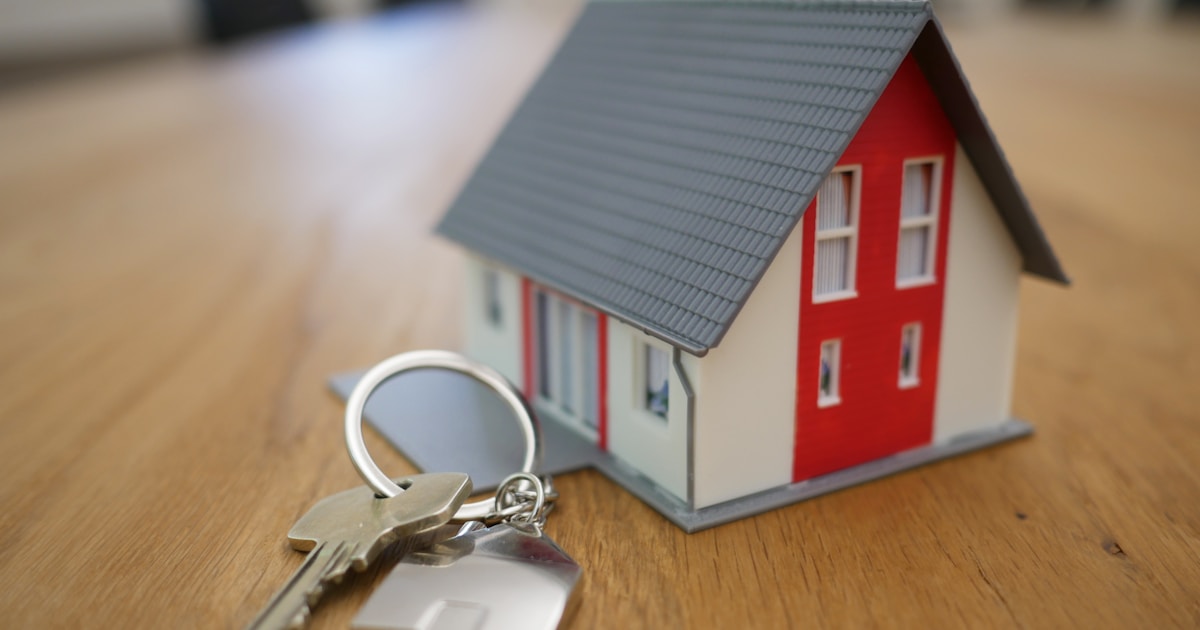
The Complete Guide to Buying Property in Lagos (2025): Zones, Costs, and Due Diligence
Thinking of buying property in Lagos? From Lekki to Ikoyi to the Mainland, this 2025 guide covers every zone, every cost, and every due-diligence step you need to buy safely and smartly.
Introduction: Why Buying Property in Lagos Is Both an Opportunity and a Challenge
Lagos is Africa's most dynamic city a sprawling metropolis of over 25 million people, home to Nigeria's commercial heartbeat, and one of the fastest-growing real estate markets on the continent. For anyone looking to buy property here, the opportunity is enormous: well-chosen Lagos properties have delivered some of the strongest capital appreciation of any asset class in West Africa over the past two decades.
But Lagos is also a market that punishes the unprepared. Title fraud, inflated asking prices, hidden charges, and infrastructure pitfalls have cost buyers hundreds of millions of naira. This comprehensive guide distils everything you need to know from understanding location dynamics to closing a deal safely so you can buy in Lagos with confidence.
Understanding Lagos's Property Zones
Lagos is not one market it is a collection of distinct sub-markets, each with its own price band, demand drivers, and investment profile. Before you look at a single listing, you need to understand where you want to buy and why.
Lagos Island (Ikoyi, Victoria Island, Eko Atlantic)
This is Lagos at its most premium. Ikoyi and Victoria Island (VI) are Nigeria's equivalent of Manhattan ultra-high land values, luxury apartments, corporate headquarters, and embassies. A 3-bedroom apartment on Bourdillon Road, Ikoyi, easily sells for ₦300–₦600 million. Eko Atlantic City, the newly reclaimed island development, is positioning itself as sub-Saharan Africa's most prestigious address, with prices that rival Dubai.
These areas are ideal for: high-net-worth individuals seeking capital preservation in dollar-equivalent assets, corporate investors targeting expatriate and diplomatic tenants, and diaspora Nigerians wanting a flagship Lagos residence.
Lekki Corridor (Phase 1, Phase 2, Ajah, Ibeju-Lekki)
The Lekki corridor is Lagos's most active residential market. Lekki Phase 1 is mature and densely built a 3-bedroom apartment here ranges from ₦45 million to ₦150 million depending on the estate and finish level. Phase 2 and the Chevron/VGC axis offer newer stock at 20–30% lower prices with comparable amenities.
Further east, Ajah and Abraham Adesanya Estate are popular with mid-income buyers priced out of Phase 1. And beyond that, Ibeju-Lekki anchored by the Dangote Refinery and Lekki Deep Sea Port offers the most compelling land investment story in Nigeria today, with values that have tripled in some pockets over five years.
Lagos Mainland (Ikeja, Surulere, Gbagada, Magodo, Yaba)
The Mainland offers significantly more affordable housing. A 3-bedroom flat in Gbagada or Surulere rents for ₦1.2–₦2.5 million annually and sells for ₦25–₦60 million, depending on the estate and condition. These areas are well-connected, have established communities and markets, and offer genuinely liveable neighbourhoods for families and young professionals.
Ikeja GRA and Magodo Phase 2 represent the Mainland's premium tier — large detached houses in secured estates, popular with senior civil servants, executives, and families that prefer space over the prestige of the Island.
Step 1: Set a Realistic Total Budget
The purchase price is only one part of your true cost. Many first-time Lagos buyers are shocked when transaction costs add 15–20% to the headline price. Here is a realistic breakdown for a ₦50 million property purchase:
Purchase price: ₦50,000,000
Legal / solicitor fees (7–10%): ₦3,500,000–₦5,000,000
Agency fee (5–10%): ₦2,500,000–₦5,000,000
Survey verification: ₦100,000–₦200,000
Stamp duty: ₦750,000–₦1,500,000
Governor's Consent fee: ₦500,000–₦2,000,000
Total all-in cost: approximately ₦57–₦64 million
Budget for all of these costs before you start viewing properties. If you can only afford ₦50 million total, your property search should focus on listings priced ₦42–₦44 million, not ₦50 million.
Step 2: Choose Your Location Strategically
Beyond prestige and aesthetics, choose your location based on three strategic factors:
Proximity to your daily life. A stunning apartment in Ibeju-Lekki is meaningless if your office is in Victoria Island and the 2-hour daily commute destroys your productivity and wellbeing. Be honest about where you spend your time.
Infrastructure trajectory. Some Lagos neighbourhoods are improving rapidly — new roads, BRT extensions, drainage upgrades. Others are stagnating. Research what government projects are planned for your target area and price that trajectory into your decision.
Flood risk. This is non-negotiable. Flooding has destroyed hundreds of millions of naira in Lagos property value, particularly in low-lying areas of Lekki, VI, and the Mainland. Check the Lagos State flood risk maps, ask neighbours about historical flooding, and visit the property during heavy rain if you can.
Step 3: Engage a Verified, Licensed Agent
The quality of your agent will significantly influence the quality of your outcome. In Lagos, real estate agents range from highly professional registered practitioners to outright fraudsters. Here is how to tell the difference:
Ask for their NIESV (Nigerian Institution of Estate Surveyors and Valuers) registration number and verify it on the NIESV website
Check LASRERA (Lagos State Real Estate Regulatory Authority) for licensed agents
Request references from recent buyers — and actually call them
Meet in person at a physical office before committing any funds
Avoid agents who cannot show you the property in person, request cash payments only, or pressure you to decide within 24 hours
On OgaLanLord, all listed agents are verified before they can post. You can message agents directly through the platform, creating a documented trail of all communication.
Step 4: Inspect Thoroughly (Not Just Aesthetically)
A beautiful apartment with fresh paint and new tiles can hide serious structural or infrastructure problems. When you visit a property, go beyond the aesthetics:
Structural: Look for cracks in walls (particularly around door and window frames — diagonal cracks signal foundation movement), water stains on ceilings, and damp patches on ground-floor walls
Electrical: Test every socket, switch, and light fitting. Check the distribution board for the age and quality of wiring
Plumbing: Turn on every tap and check water pressure. Flush every toilet. Look under sinks for damp or mould
Generator: Ask for the age, service history, and fuel consumption of the building generator — a key recurring cost in Lagos
Estate infrastructure: Is the road within the estate maintained? Is the drainage functioning? Is the security gate staffed 24 hours?
For properties above ₦20 million, consider engaging a structural engineer for a professional assessment. The ₦100,000–₦200,000 cost is trivial compared to the potential cost of discovering structural problems after purchase.
Step 5: Verify the Title Rigorously
This is the single most important step in any Lagos property transaction, and the one most often shortcut — with devastating consequences. The types of title you will encounter are:
Certificate of Occupancy (C of O): The strongest title. Issued by the Lagos State Government, it grants a 99-year right of occupancy. Verify it at the Lagos State Land Registry on Ojuelegba Road.
Governor's Consent: Required when a C of O property changes hands. Perfects the title transfer. Without it, the new owner's title is technically incomplete.
Registered Deed of Assignment: Documents the transfer of rights between parties. Must be registered at the Land Registry.
Gazette/Government Acquisition notice: Some Lagos land is under government acquisition and legally cannot be privately purchased. Your solicitor MUST confirm the property is not in an acquired area.
Your solicitor should conduct an independent search — not using the seller's solicitor — at the Land Registry, the Surveyor-General's office, and the Probate Registry (if the owner is deceased). This process typically takes 2–4 weeks and costs ₦50,000–₦200,000. It is the most important money you will spend.
Step 6: Negotiate, Offer, and Sign
Nigerian asking prices are almost always negotiable. Do not accept the first price quoted. A polite but firm counter-offer of 10–20% below asking is standard practice and rarely causes offence. Your negotiating leverage increases if: the property has been on the market for more than 3 months, the seller needs to sell quickly (job relocation, financial pressure), or comparable properties in the area are priced lower.
Once you agree on a price, pay a deposit (5–10% of the agreed price) to take the property off the market. This deposit should be receipted and documented in a written Memorandum of Agreement that specifies the agreed price, the completion date, and what happens if either party defaults. Insist on this document before any money is paid.
Step 7: Complete and Perfect Your Title
At completion, your solicitor and the seller's solicitor coordinate the exchange of the full balance for the executed Deed of Assignment and title documents. After completion, immediately begin the process of obtaining Governor's Consent and registering your Deed at the Lagos State Land Registry.
Do not delay this step. Many buyers complete a purchase and then wait months or years to perfect their title — during which time their ownership is legally vulnerable. The cost of perfection (stamp duty, consent fees, registration fees) is modest. The cost of a title dispute is enormous.
Common Mistakes Lagos Property Buyers Make
Buying based on photos alone: Listings can be wildly misleading. Always inspect in person.
Trusting documents presented by the seller: Always conduct independent searches. Forged titles are common.
Skipping the solicitor: "The agent is handling everything" is how people lose millions. Engage your own independent solicitor for every transaction.
Ignoring the estate dues and service charges: Some Lagos estates charge ₦500,000–₦2,000,000 per year in service charges. Factor this into your affordability calculation.
Buying in a hurry: Urgency is a tool scammers use. Legitimate deals can always withstand 3–4 weeks of due diligence.
Conclusion: Knowledge Is Your Best Asset
Buying property in Lagos is one of the best long-term financial decisions you can make — if you do it right. The city's fundamentals are undeniable: a growing, aspirational population; chronic undersupply of quality housing; and a resilient real estate market that has delivered strong returns to patient, informed buyers for decades.
The buyers who get hurt are not the ones who take time and spend money on proper due diligence. They are the ones who rush, trust blindly, and skip the steps that seem inconvenient. Do not be in that group.
OgaLanLord exists to make this process easier. Every listing on our platform is verified. Every agent is licensed. And our goal is to be the most trusted real estate marketplace in Nigeria — one transparent, well-documented transaction at a time. Start your search today and buy your Lagos property with confidence.